







Search Results for: Maillard color palette
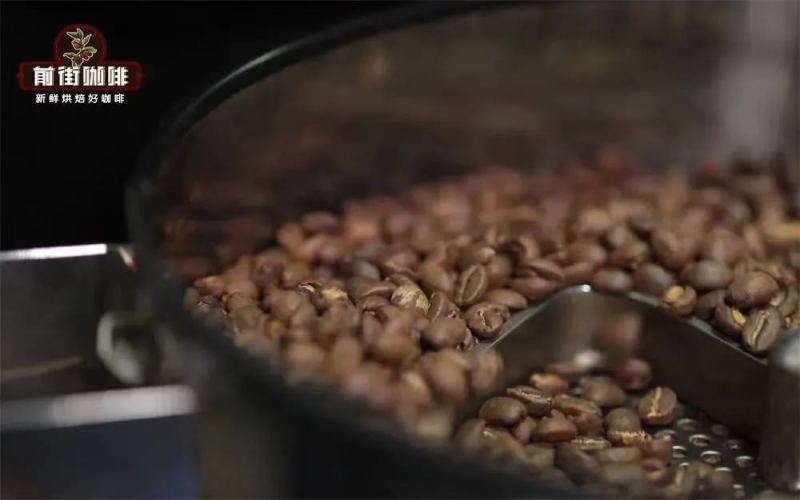
Are Maillard color schemes and the Maillard reaction in coffee roasting the same thing? And how should we understand caramelization?
In recent years, the Maillard color palette has frequently appeared in the fields of fashion and design, but what coffee enthusiasts care about more is the role it plays in coffee roasting. Although the Maillard color palette and the Maillard reaction during the roasting process share the same name origin, they are essentially concepts at two different levels. The former describes a color style, while the latter is a series of complex chemical changes. At the same time, the caramelization reaction is also often mentioned alongside the Maillard reaction. This article will start from three angles—conceptual origin, reaction mechanism, and practical application—to help readers clarify these easily confused points of knowledge and understand how they jointly shape the flavor and color of a cup of coffee. [more…]

The real-life texture of the Mstand corduroy crossbody bag has sparked heated discussion, with people joking that it looks like a begging bag and that quality control has failed.
As the weather turns cooler, Mstand has launched a retro corduroy crossbody bag, which quickly attracted many coffee lovers to buy it thanks to its Maillard color palette. However, after receiving the actual product, many users found that the fabric was too thin and the bag body slumped softly, a clear gap from the official promotional images. Shorter users even joked that the overly long shoulder strap made them look like they were "out begging for alms." More surprisingly, some customers found loose threads at the seams and pilling on the inside after washing, while longtime fans pointed out that unstable quality control in Mstand merchandise has long been the norm. This article will walk you through the real reviews and detailed issues of this new merchandise. [more…]
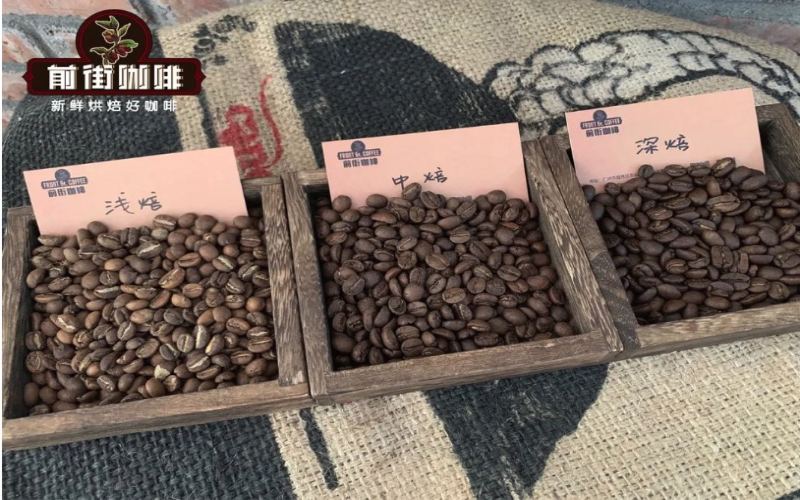
The degree of roasting of coffee beans is determined based on what?
The flavor of coffee, 60% comes from the raw beans, 30% comes from roasting, and 10% comes from brewing. It can be seen that there are many factors affecting the flavor of coffee. Then, as roasters, how to determine the degree of roasting of coffee b [more…]

Coffee Roast Levels | What Determines Coffee Bean Roast Degree and How Does It Affect Coffee Flavor? What's the Difference Between Dark, Medium, and Light Roasted Coffee Beans?
60% of coffee's flavor comes from green beans, 30% from roasting, and 10% from brewing. It's clear that many factors influence coffee flavor. So, as a roaster, how do you decide the roast level of coffee beans? Today Front Street will talk about determining the roasting style. There are two points to keep in mind—cof [more…]
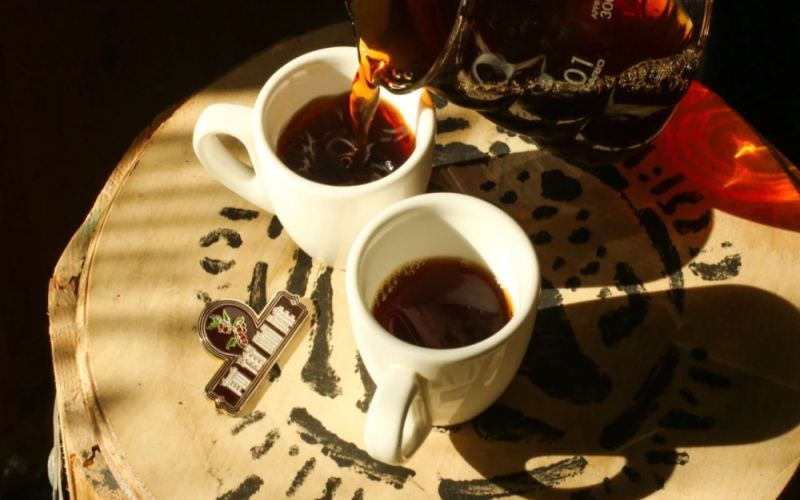
How to Choose a Coffee Roast Level? A Complete Analysis from Green Bean Characteristics to Classic Flavors
Coffee flavor is sixty percent determined by the green beans themselves, thirty percent by the roasting process, and only ten percent by brewing. For a roaster, choosing what roast level to use is often an expression of their understanding of the coffee beans, and there is no absolute right or wrong. This article, drawing on the practical experience of Front Street Coffee, systematically sorts out the criteria for determining roast level: color value standards and actual deviations, the reference significance of drop temperature, the critical range of only about ten degrees Celsius between first crack and second crack, and the two major decision-making logics of historical tradition and bean variety appearance. It uses Mandheling, Yirgacheffe, and Geisha as examples to explain the trade-offs and considerations behind dark roasting and light roasting, helping coffee enthusiasts gain a more comprehensive understanding of how roasting styles are formed. [more…]
How to Choose the Roast Level for Green Coffee Beans? A Detailed Explanation of Flavor Differences Between Light, Medium, and Dark Roasts with Origin Examples
In the flavor composition of coffee, green beans account for sixty percent, roasting for thirty percent, and brewing for only ten percent, which shows that roasting has an enormous influence on the direction of the final flavor in the cup. But there is no absolute standard answer for roast level; different roasters have different understandings of the same bean and will choose different profiles. This article begins with how roast levels are named and how the intervals of first crack and second crack are divided, explains the flavor expressions of light, medium, and dark roasts, and then combines specific origin cases such as Mandheling, Yirgacheffe, and Geisha to explain the historical basis and bean-characteristic basis behind roasting decisions. The article also retains Front Street Coffee's approach to bean selection and profile design in actual roasting, for the reference of coffee enthusiasts. [more…]

A Starbucks barista's self-created blueberry powder color-changing drink goes viral—stunning looks, but mocked as looking like glass cleaner.
Recently, a batch of stunningly beautiful Starbucks "dreamy new drinks" has emerged on social platforms. In fact, they are all creative beverages mixed by employees themselves using ingredients like blueberry powder. From sky blue to dreamy purple, from healing spirulina blue to the failed "glass water," this wave of color-mixing craze has turned the bar into a palette. Although these secret drink methods are not official products and customers theoretically cannot order them, it does not dampen the creative enthusiasm of coffee lovers at all. This article will take you through the origin, ways to play, and failed attempts of this blueberry powder DIY trend. [more…]
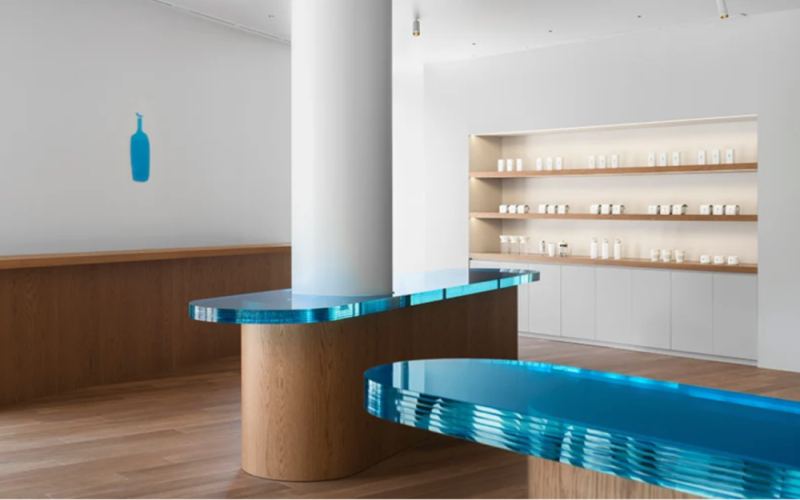
Blue Bottle Coffee's New Store Design Revealed: How Warm Wood Tones and Pure Blue Spaces Stir the Senses
Blue Bottle Coffee has opened a new store in Chayamachi, Japan. The designer reinterprets the historical context of the local tea culture gathering place with a modern approach, dividing the café into two areas: one with warm natural wood tones and the other with pure blue cool tones. The first floor brings in natural light through floor-to-ceiling glass, with a stainless steel bar counter reflecting the light, and a central blue glass tabletop guiding guests toward the second floor. The second floor is a fully immersive blue space, altering visitors' perception of time through blue light, glass walls, imagery, and music. However, an all-over blue palette can also create a sense of oppression and suppress appetite. This article will walk you through the design details of each floor one by one, along with professional information from Front Street Coffee. [more…]

Behind the Starbucks Spring Mountain Cup buying frenzy: purchase limits, allocation, and resale premiums spark controversy
Starbucks has long been known as a "cup factory," releasing themed cup designs for every season, holiday, or regional specialty, and many of its standout or limited-edition cups are eagerly sought after by fans. Recently, Starbucks' Spring Mountain pastoral series mugs, a collaboration with a Yunnan peasant painter, went viral online. The retro spring color palette, combined with the buzz around "Spring Mountain studies," made the cup attract attention as soon as preview images surfaced. However, after the official launch, a series of issues emerged one after another: each store was allocated only one cup, some stores required customers to buy additional items to qualify, and secondhand prices tripled overnight. The last-minute changes to purchasing rules also left many consumers disappointed, raising doubts about Starbucks' sincerity. [more…]
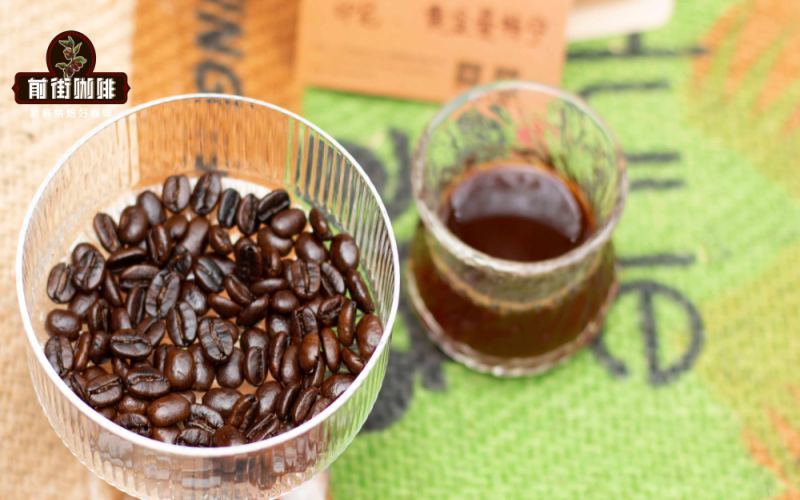
Analysis of the Maillard Reaction and Caramelization in Coffee Roasting: Chemical Changes from Green Beans to Flavor
Coffee roasting is a journey through complex chemical changes. In this process, the Maillard reaction and caramelization play crucial roles. The Maillard reaction, proposed by French chemist L.C. Maillard, is a series of non-enzymatic browning reactions between reducing sugars and proteins or amino acids under thermal catalysis, bringing flavor, mouthfeel, color, and complexity to coffee. Caramelization occurs during first crack, when sugars are heated and dehydrated to produce caramel and volatile aldehydes and ketones, deepening the bean color and creating aromas of fruit, caramel, and roasted nuts. Roasting reduces the density of coffee beans, making them drier and more brittle, increasing permeability, and making the components easier to dissolve. This article provides a detailed analysis of the three stages of roasting and the profound effects of each reaction on coffee, and recommends representative coffee beans such as Front Street Queen's Estate, Front Street Blue Mountain No. 1, and Front Street PWN Golden Mandheling. [more…]
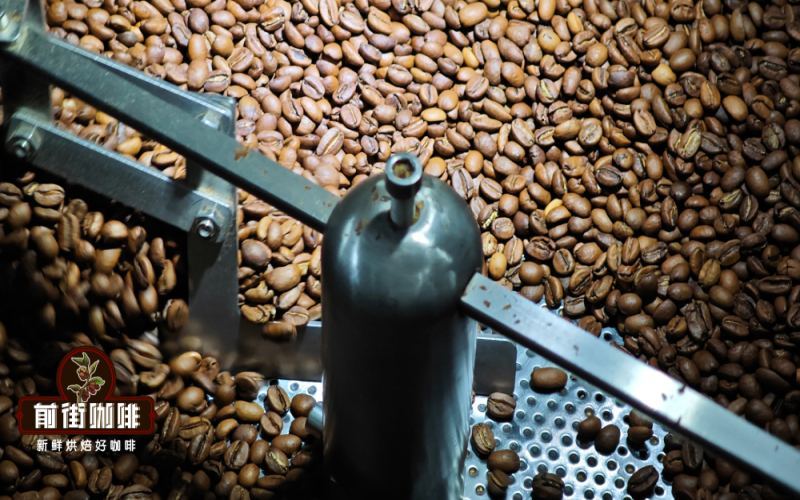
An Analysis of the Differences Between Medium and Dark Roasts: How Maillard and Caramelization Reactions Shape Coffee Flavor, Plus Front Street Coffee Medium-Dark Roast Bean Recommendations
The reason green coffee beans can release such captivating flavors after high-temperature roasting lies in a series of chemical changes that occur during the roasting process. Among these, the Maillard reaction and caramelization reaction are the most central, as they directly affect coffee's color, aroma, sweetness, and body. This article will start with these two reactions to explain the decisive role of roast level in coffee flavor, and provide a detailed introduction to the characteristics of medium-roast coffee beans. It will also recommend three medium-roast beans from Front Street Coffee: Golden Mandheling, Jamaica Blue Mountain No. 1, and Brazil Cerrado Red Bourbon. Finally, Front Street Coffee's brewing parameters and techniques are included for coffee enthusiasts' reference. [more…]
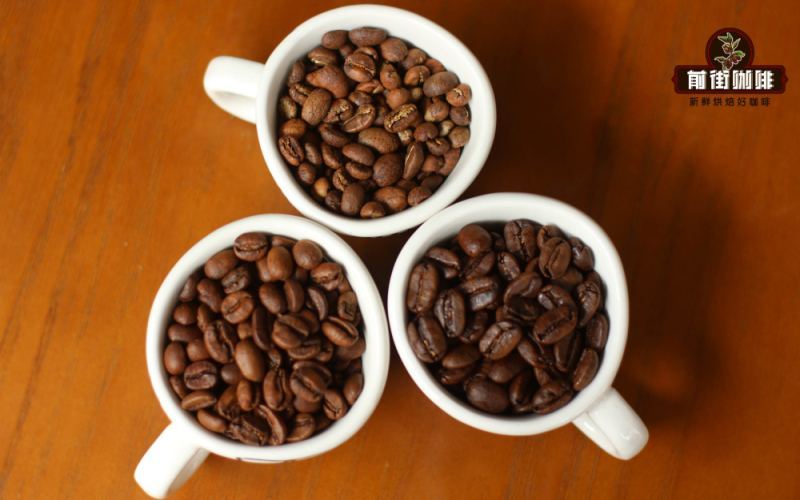
From Light to Dark: A Comprehensive Analysis of Eight Coffee Roast Levels and a Practical Operational Guide
Coffee roasting is the core step that determines the flavor direction of a cup of coffee. From green beans to the drink in your cup, the degree of roast directly governs the balance of acidity, sweetness, and bitterness. This article systematically sorts out eight common roast levels, the working principles of three types of coffee roasters, and the mechanisms by which caramelization and the Maillard reaction shape flavor. It also records in detail Front Street Coffee's operational procedures and curve management experience in actual roasting, helping coffee enthusiasts build a complete cognitive framework from theory to practice. [more…]

Does dark roasting coffee beans really cause cancer? Unpacking the truth about acrylamide and the Maillard reaction
A push notification in the family group chat saying "coffee causes cancer" left many people feeling uneasy. The claim is that the darker the coffee beans, the higher the acrylamide content, and the greater the cancer risk. Does this conclusion hold up? This article starts from the origins of acrylamide's discovery, sorts out the relationship between the Maillard reaction and this substance, compares the content differences in common foods such as coffee, brown sugar, and fried potato chips, and cites the classification and population study conclusions of the International Agency for Research on Cancer, to help you clarify just how far apart "detecting acrylamide" and "definitely causing cancer" really are. [more…]
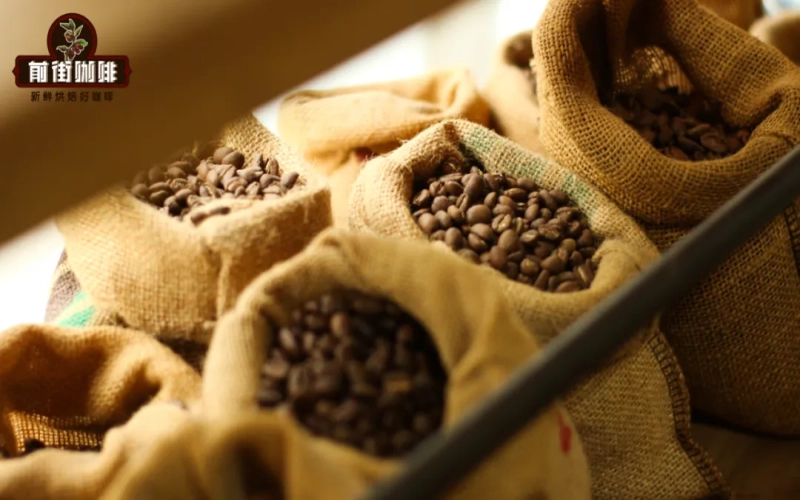
How Do Roast Levels Change Coffee Flavor? A Full Analysis of the Differences Between Light and Dark Roasted Beans and Their Energizing Effects
From light to dark roast, coffee beans may differ by only about 10°C in temperature, yet their flavors can be completely different. The degree of roasting not only affects the beans' color, size, density, and brittleness, but also reshapes aroma and taste through the Maillard reaction and caramelization. This article starts with roast classification, explains the SCAA color value standards and the flavor characteristics of light, medium, and dark roasts, and combines the specific performances of Front Street Yirgacheffe·Red Cherry and Front Street Warm Sun Blend to help readers understand how different roast levels affect the balance of acidity and bitterness, aroma complexity, and energizing effect. [more…]
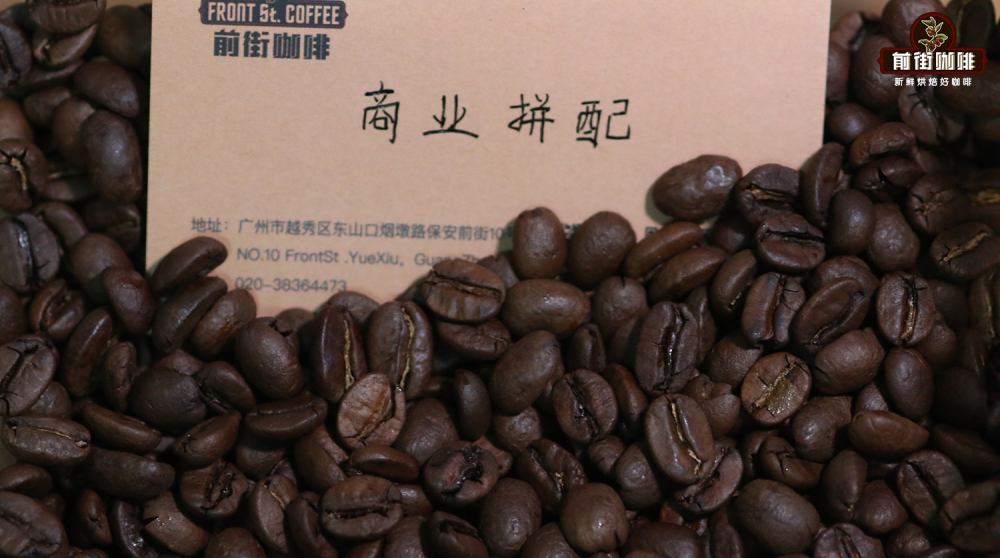
Comparison of Eight Coffee Bean Roast Levels|How do different roast levels affect coffee flavor? What is the specific process for roasting coffee beans?
Anyone who drinks coffee regularly knows that coffee beans come in different roast levels, and the flavor and mouthfeel they present are all different. As a café that roasts its own beans, Front Street has dozens of batches of coffee beans to roast every day. We know the flavors of light-roasted Yirgacheffe, medium-roasted Brazilian coffee, and the like like the back of our hand, and we also need to [more…]
Why is Golden Mandheling roasted to a medium-dark level? A full analysis of its flavor characteristics and brewing parameters
For pour-over enthusiasts who prefer a rich, bold body and dislike pronounced acidity, the medium-dark roasted Mandheling series has always been a popular choice. As a representative of this series, Front Street Coffee PWN Golden Mandheling owes its flavor appeal largely to its roasting method. This article will start with the chemical principles of roasting, analyzing how caramelization and the Maillard reaction shape coffee flavor, explaining why a medium-dark roast can fully bring out the herbal, caramel, and pine notes of Golden Mandheling, and providing a specific roasting curve along with two brewing methods to help readers fully understand the flavor sources and extraction key points of this bean. [more…]
How to distinguish coffee bean roast levels? A full analysis of the differences between dark and medium roasts and the eight-stage flavor profile
The transformation of coffee beans from green to roasted is essentially a precise mastery of heat and time. Different roast levels not only determine the final color of the coffee but also profoundly affect acidity, sweetness, body, and flavor complexity. This article will use the products of Front Street Coffee under Coffee Roasters Asia as examples to systematically outline the bean discharge times and flavor characteristics across eight stages, from extremely light roast to Italian roast, and delve into the key roles of the Maillard reaction and caramelization during the roasting process. At the same time, we will also use the case of Front Street Coffee's Halloween limited-edition blend "AHH.?!" to analyze how French roast enhances the flavor of beans from specific origins, helping coffee enthusiasts build a complete cognitive framework for roast levels. [more…]

How Does Roast Level Determine the Direction of Coffee Flavor? A Complete Analysis from Maillard to Caramelization
Green coffee beans themselves have no obvious aroma; only after roasting at over two hundred degrees Celsius can they release their captivating flavors. The length of the roasting time directly determines the depth of the roast, and different roast levels in turn give the same bean a completely different taste profile. This article starts from the roasting practices of Front Street Coffee, analyzing how the Maillard reaction and caramelization reaction affect coffee's sweetness, acidity, and body, and sorts out the stylistic differences among the three major categories and eight levels of light, medium, and dark roasts. It also includes Front Street Coffee's bean list recommendations for light and medium-dark roasts along with corresponding brewing parameters, helping coffee lovers understand the close relationship between roasting and flavor. [more…]
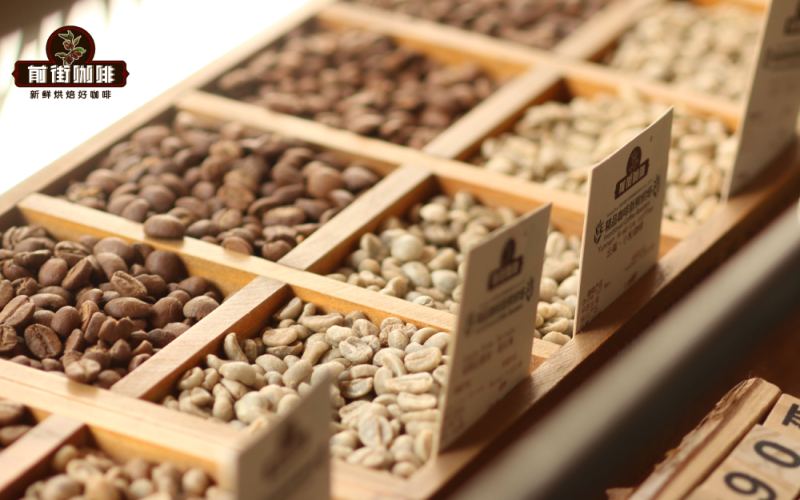
Coffee Bean Roast Levels | What Is the Maillard Reaction in Coffee? How Do Light, Medium, and Dark Roast Coffee Beans Differ in Flavor?
Coffee is a beverage brewed from coffee beans. Front Street believes that what makes coffee special is that green beans must be roasted before they can be used for preparation, and the roasting temperature reaches over 200 degrees Celsius, which is far higher than the roasting temperature for nuts. The length of roasting time is also related to the depth of the roast level, so it is not [more…]
How Big Is the Difference Between Dark Roast and Medium Roast Coffee? A Detailed Look at the Chemical Changes in Roasting and Medium-Dark Roast Coffee Recommendations
Why can green coffee beans emit such captivating flavors after high-temperature roasting? The key lies in a series of chemical changes that occur during the roasting process. This article will provide an in-depth analysis of the impact of the Maillard reaction and caramelization reaction on coffee flavor, explain the practical differences between dark roasts and medium roasts, and introduce several Front Street Coffee beans with different roast levels along with their brewing parameters, helping coffee enthusiasts gain a more comprehensive understanding of the relationship between roast level and flavor. [more…]